Showing posts with label Informative Blogs. Show all posts

Saturday, May 2, 2009

Making the Movie

Making an independent film is a lot like having a kid. The sexy part is coming up with the idea and the money. Actually making the film is a lot like giving birth – both exciting and painful. Then you have your bouncing baby movie - and you have to raise the little bastard.
I love coming across blog sites by filmmakers who have actually made films. The information is usually practical, helpful and refreshingly candid. Making the Movie offers filmmaking tips, resources, reviews of Film Production books (useful!), news and links.

Here's some good stuff on the kinds of "special features" to add to your dvd.......

Wednesday, April 15, 2009

Thinking Animation

The Thinking Animation blog is created to document and inspire all involved in bringing life to characters and inanimate objects. They cover everything from computer generated animation, VFX, stop motion and even puppets. The site includes a long list of really useful animation resources.

Tuesday, March 24, 2009

Script Submissions

Film Industry Bloggers is actually a collection of blogs that offer an insiders look at the motion picture industry through the unique eyes of working professionals.

Here, for example is an entry by Rachel Miller who manages the careers of writers and directors of feature films and television. Her clients include writers and directors on THE DAILY SHOW, THE SIMPSONS, and FRANK TV, along with comic book company Bloodfire Studios. Check out her superb list of resources here.


At Film Industry Bloggers she lists her Top 5 Peeves about Query Letters and Submissions for Management Representation - peeves that are equally applicable whether you are applying to the NFVF or the SABC or any other potential funder......

1. If you list 12 scripts in a query letter. If I see 12 scripts listed on a query letter I am going to wonder why hasn’t anything happened with any of them? Put one or at most two in the letter.

2. Saying this script will sell for millions of dollars! Every script I have seen with a letter saying “it will sell for millions of dollars” has been a pass. First, no one knows what scripts will sell and what won’t. If you must say something, just say you believe it is a very commercial idea.

3. X meets Y. Don’t pick two movies that have nothing in common and put them together by saying your script is like X meets Y. I have seen all kinds of ridiculous statements, such as Wall-E meets Schindler’s List. This means nothing.

4. Calling me up and saying I must read this asap. If you give it to me on a Monday and think I am going to read it by Friday, then you are mistaken. You are also mistaken if you give it to me on a Friday and call me on Monday to see if I have read it. Give everyone two weeks to read your script; we are all busy and we have a lot of work to do and are trying to get through everything.

5. Spelling and grammar mistakes. There should be none, ever — either in your letter or in your script. If I am taking the time to read your script, you should have taken the time to go through your work and make sure there are no spelling and grammar mistakes.

Bonus tip. If you call me and say you would love to submit to me and I tell you to check out our submission policy on our web page and you tell me you don’t have a computer — that is a very bad sign.

So before you send your script to me make sure you have done everything in your power to make it the most professional and well-written script you can.

Monday, March 23, 2009

Slow Down and Fast


The Slow Down and Fast blog highlights the personal journey of a couple of filmmakers attempting self distribution for their film Slow Down and Fast. The goal is to get 1,000,000 views of the short documenterary, but the blog is also for anyone who wants to discover the powerful marketing potential of Social Networking....

Thursday, February 26, 2009

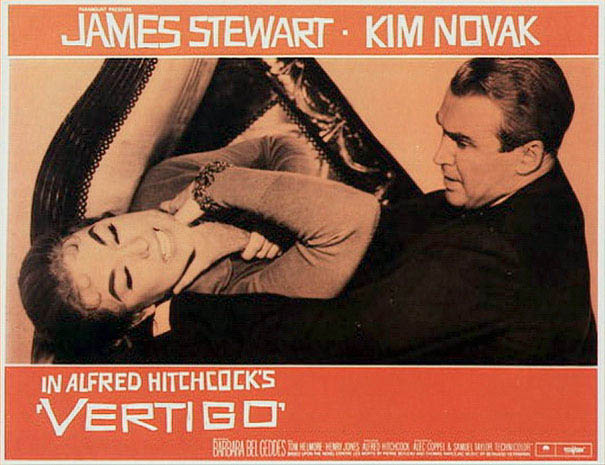
The Vertigo Effect

Another top-ranking blog with great information for filmmakers is The Vertigo Effect.

Designed as much as a discussion forum as a straight-forward "This is how you..." blog, The Vertigo Effect nevertheless contains a broad range of useful information, tips, ideas and comment. How about this suggestion for a Filmmaking Mastermind Group? KZN Collectives anyone?

PS - The Vertigo Effect is a camera move made famous by Alfred Hitchcock, but also known as a Dolly Zoom wherein the camera simultaneously zooms in/out and dollies out/in. What the audience sees is a perspective change while the main subject remains the same size on screen. The technique can be used to heighten suspense and more recently for comedic effect.

Thursday, February 19, 2009

Filmmaker IQ


Filmmaker IQ is one of the most thorough blogs I've come across when it comes to online tutorials for Filmmakers. Not only does it provide the kinds of information you can use to build your skills and expand your range of techniques, it backs it up with a ton of useful links to other pages, You Tube sites etc. about the same really good stuff. Take this page on Final Cut Pro, for instance. Gobsmacking amounts of information that there's now really no excuse for you NOT to know. Remarkable.

Sunday, February 1, 2009

Blogs on Independent Filmmaking (3)

Film Specific is a blog specifically intended to educate independent film and television producers on distribution. They provide the ongoing training and a suite of professional resources needed to succeed in the global content marketplace - some of the services are free, some aren't. They claim to have hundreds of independent producers in their global community who are educating and empowering themselves, and getting distribution for their films and programmes. Here's a snippet on the business of film.....
We'd all love to believe the world of independent film is all about art for art's sake, but if you were to ask any distributor what is the main motivation behind all their acquisitions, they would tell you it ultimately comes down to dollars. Pure and simple just like any other business. While the indie world is obviously more open to original ideas and fresh voices and that remains its true bread and butter, it is still a business and the rules of business apply.

Saturday, January 31, 2009

Blogs on Independent Filmmaking (2)

Michael D Sellers is a former CIA operative whose credits include 18 films since 1991. He is also CEO of Quantum Releasing, which as of 2008 handles worldwide distribution for approximately 50 films. A quick look at his blog site and I found interesting nuggets on issues such as the need for “marketability” versus “playability”. All useful stuff to know when building your production. Here's a snippet:
First, if you think about it — a film has to in the first instance sell itself as an idea. Meaning — we all go see a movie because the idea of that movie is attractive to us. That’s “marketability” — the ability of a film to attract an audience into the theater. The most common aspect of markeability is cast — if you have a Brad Pitt movie, it’s marketable by definition because it has Brad Pitt in it....


At the indie level, festival acclaim comes into play, and reviews count, a MySpace buzz matters. But in analyzing the film from this aspect — the entire point is to answer the question, “Can the film attract moviegoers into the theater”?

”Playability” is the analysis of what happens to that audience once they are in the theater. Never mind what got them there — what is their experience once they sit down and watch the movie. How well does the movie “play”? Will it generate favorable word of mouth? Will it catch the fancy of reviewers?

Tuesday, January 27, 2009

Blogs on Independent Film Making (1)

FilmBiz101 is a blog site that aims to be a starting point for Indie film makers.

Topics discussed on the site include the structure and dynamics of motion picture production & distribution, key film industry players (in the US) and factors affecting the financing of both independent movies and studio films. Strategies for raising financing, obtaining distribution for completed projects, and other issues are also addressed in practical terms.


It would be interesting to know how much the information is relevant or can be applied to the Durban / KZN experience